
Key Takeaways
Frame veganism in terms of Islam’s core principles, such as mercy, stewardship, and avoiding waste, rather than as something foreign.
Techniques like the Bypassing Method, asking reflective questions, and sharing personal stories keep conversations open and reduce defensiveness.
Your adab, patience, and lived practice of compassion often speak louder than arguments.
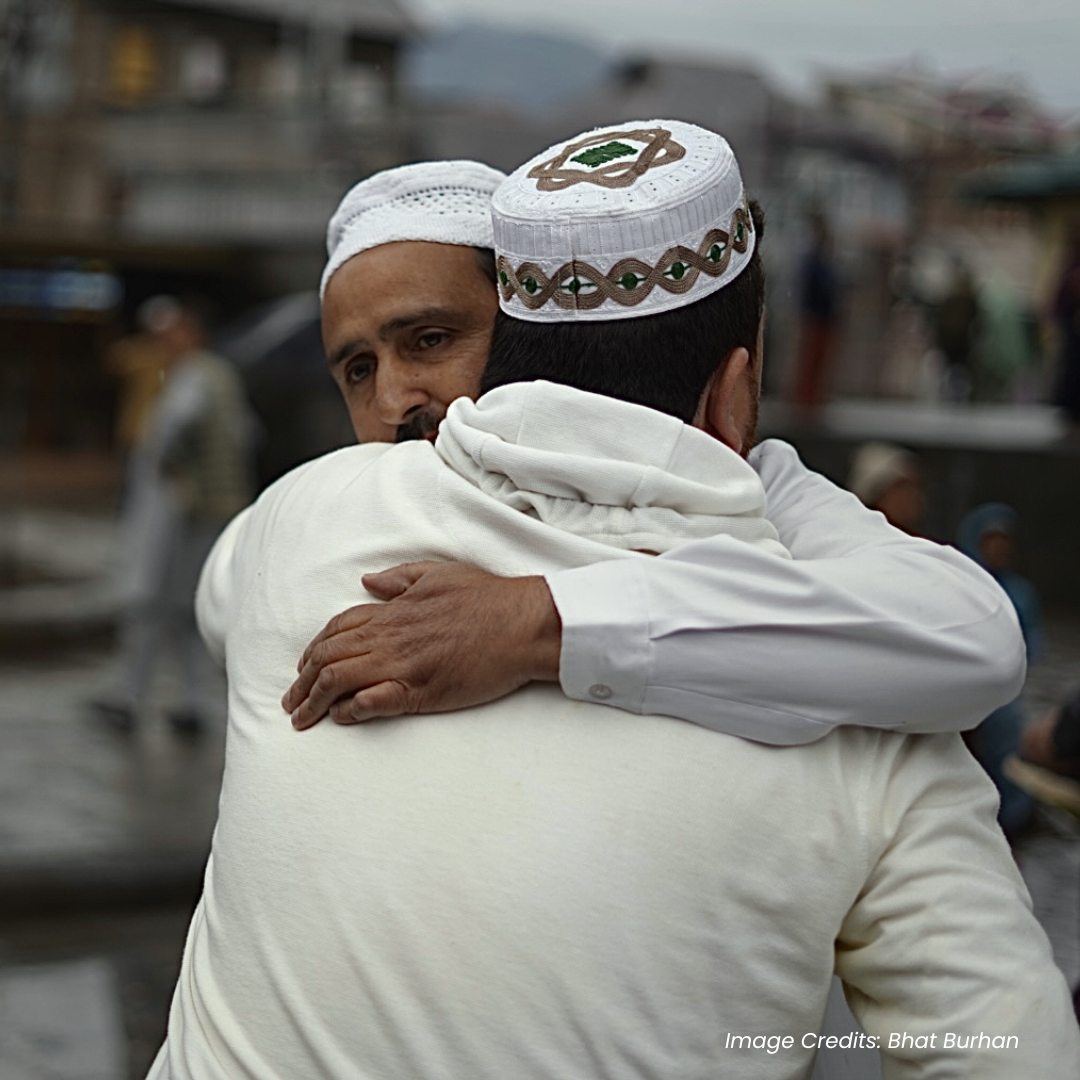
Veganism and ethical eating can be a sensitive subject in Muslim communities. For many Muslim cultures, food is not only about nutrition, but also culture, identity, and faith.
In such a context, when you say you’re vegan or don’t eat meat, the response might be dismissive or even defensive:
“Halal is already ethical.”
“Animals were created for us.”
“This isn’t part of our culture.”
While these conversations can feel tense, especially with friends, family, and colleagues, they don’t have to be that way. They don't have to end in you being alienated from your loved ones. With empathy, patience, and effective communication, we can talk about veganism in ways that build bridges rather than boundaries.
Below are some principles and practical communication tools to help with this.
1. Start by emphasizing shared values.
Islam already offers powerful principles that align with vegan ethics: mercy (rahmah), stewardship (khilafah), moderation (i‘tidal), and avoiding waste (israf).
When talking with family or friends, begin by affirming these values. Show that veganism isn’t about rejecting Islam, but about living more deeply in line with it.
For example, instead of saying: “Factory farming is cruel and Muslims should stop eating meat.”
Try saying something like: “Islam teaches us to avoid cruelty and to treat animals with dignity right up to the moment of death. Sadly, today’s halal farms often don’t follow these values, which is why I’m trying to live in a way that brings me closer to our teachings.”
2. Acknowledge tradition, but highlight change as well.
It’s true that animals have been part of Muslim diets for centuries. Acknowledge this openly and fairly, so people don’t feel like you’re dismissing tradition or misrepresenting the reality of the situation.
However, also highlight that the conditions today are radically different from those of the Prophet’s (SAW) time.
For example, in the Prophet’s (SAW) time, animals grazed freely, slaughter was rare, and every part of the animal was used with gratitude. Now, however, billions of animals are confined in industrial facilities, deprived of sunlight, separated from their young, beaten and mistreated, and slaughtered at mass scale, often in ways that violate zabiha regulations.
Express this by saying: “In the Prophet’s time, meat was occasional, and animals lived naturally. Today, factory farming treats animals like products. That doesn’t reflect our values of mercy or balance, or the fact that Islam treats all life as sentient worshippers of Allah (SWT), not mere products.”
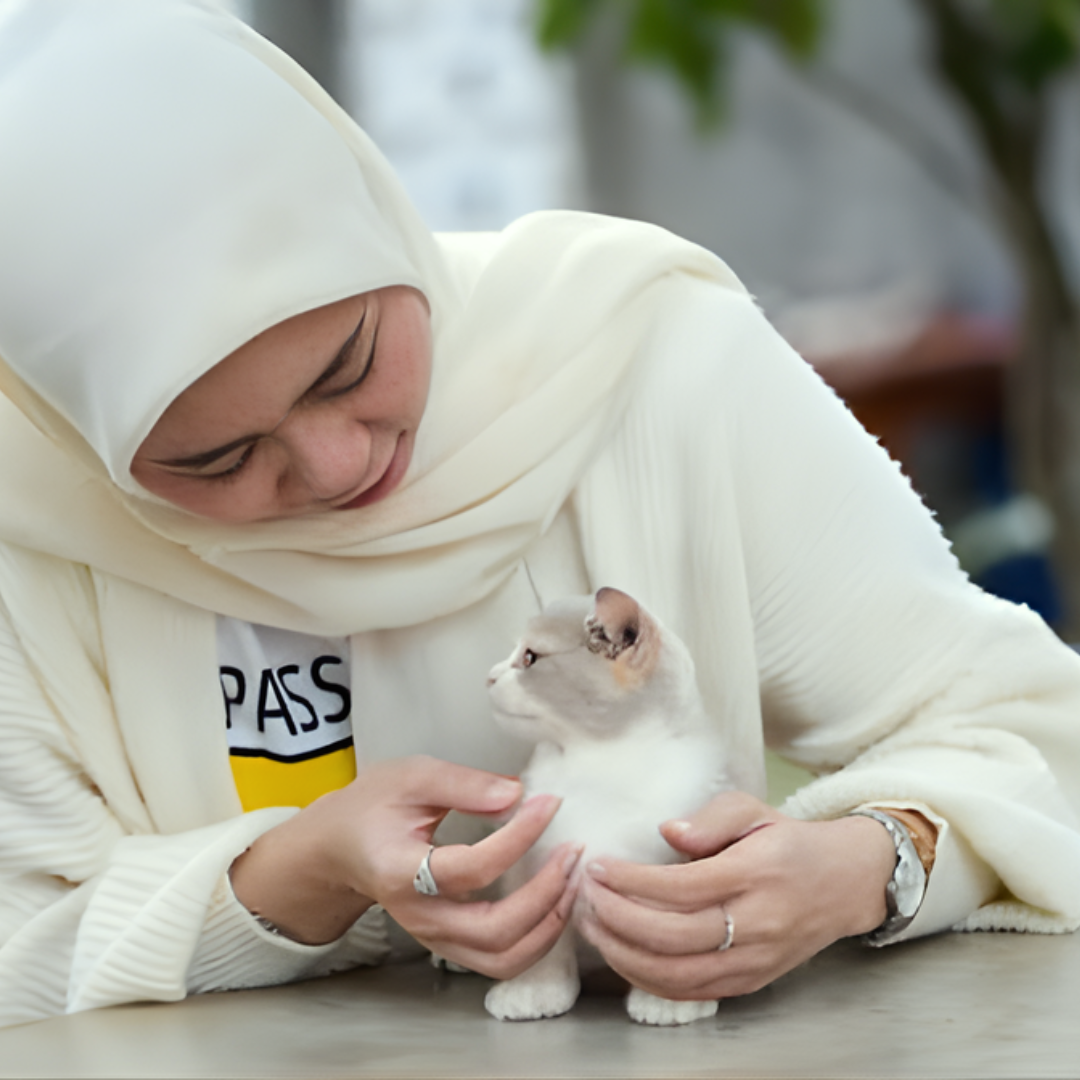
3. Make use of effective communication skills
Conversations about veganism and ethical eating – or, for that matter, any discussion that tells people to change their long-held ways – often stir strong emotions. Here are a few communication techniques that can make them more constructive:
Acknowledge and reframe
Instead of directly contradicting someone, acknowledge their point and then gently reframe.
Them: “Halal means the animal was treated well, so it’s fine.”
You: “Yes, halal sets important rules for animal welfare. The sad part is, many modern farms don’t follow those rules. Animals suffer long before slaughter, which is something our faith asks us to avoid.”
The Bypassing technique
Instead of countering someone’s view by presenting contradictory information, point out additional facts that support your view.
Them: “Eating meat is allowed in our religion.”
You: “Yes, taking the lives of animals was allowed so that humanity could go on through the sustenance obtained from animal foods. However, today, animal farming is a significant contributor to climate change, which poses a threat to humanity's survival. So, the very reason animal foods were declared halal is being violated now.”
Instead of arguing, ask questions
Questions lower defensiveness and invite reflection.
“Do you think the Prophet (SAW) would approve of animals being raised in factories, never seeing the sun?”
“What do you think halal means in the full spirit of mercy, not just at the moment of slaughter?”
Storytelling and personal experience
Share your journey, rather than preaching.
“When I learned that calves are immediately separated from their mothers in the dairy industry, I couldn’t reconcile that with Islam’s teachings on compassion and the fact that in Islam, the milk of cows is first and foremost for their babies. That’s why I decided to make a change.”
Curiosity, not judgment
Even when people disagree, keep the door open.
“That’s an interesting perspective. Please tell me more about how you see it.”
4. Choose your battles wisely.
Not every dinner table is the right place for debate. Sometimes, silence or a gentle comment is wiser than pushing the issue. Focus your energy on conversations where people are curious and open, rather than defensive. The best time to dive deep into your thoughts is when people themselves come to you and ask questions.
“Invite ˹all˺ to the Way of your Lord with wisdom and kind advice.”
– The Holy Qur’an (16:125)
Remember: your goal is not to “win” every argument, but to plant seeds.
5. Lead by example.
Arguments may convince minds, but examples open hearts.
Bringing delicious plant-based food to family gatherings will often do more than a lecture or debate can. Living with joy, compassion, and balance makes people curious in ways words sometimes cannot.

6. Stay rooted in adab (good conduct)
Food is tied to memory, identity, family pride, and so on. So, it’s no surprise that discussions around it can become heated. But your tone matters as much as your words. Speak with patience and respect, even if others resist.
The Prophet (SAW) said: “If gentleness is found in anything, it beautifies it and when it is taken out from anything it damages it.”
(Sunan Abi Dawud, 4808)
Your gentleness may leave a longer impression than any argument.